Materials & Printing

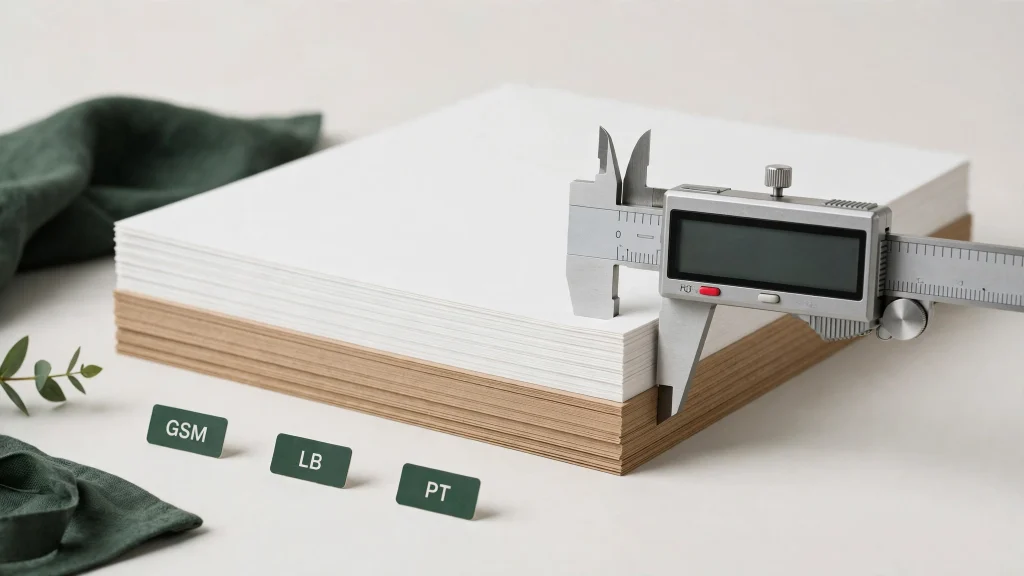
Conceptual illustration of paperboard thickness measurement with a digital caliper, showing GSM, LB and PT paper weight units

Paper Weight Conversion Guide: GSM vs LB vs PT Explained

When sourcing paper bags, folding cartons, or rigid gift boxes, buyers often encounter different paper specifications depending on the supplier and market. A European supplier may quote paper in GSM, while an American buyer may request 100# Cover or 18pt paperboard. These measurements are not interchangeable without understanding what each unit represents. In this guide,

Paper Weight Conversion Guide: GSM vs LB vs PT Explained Read More »
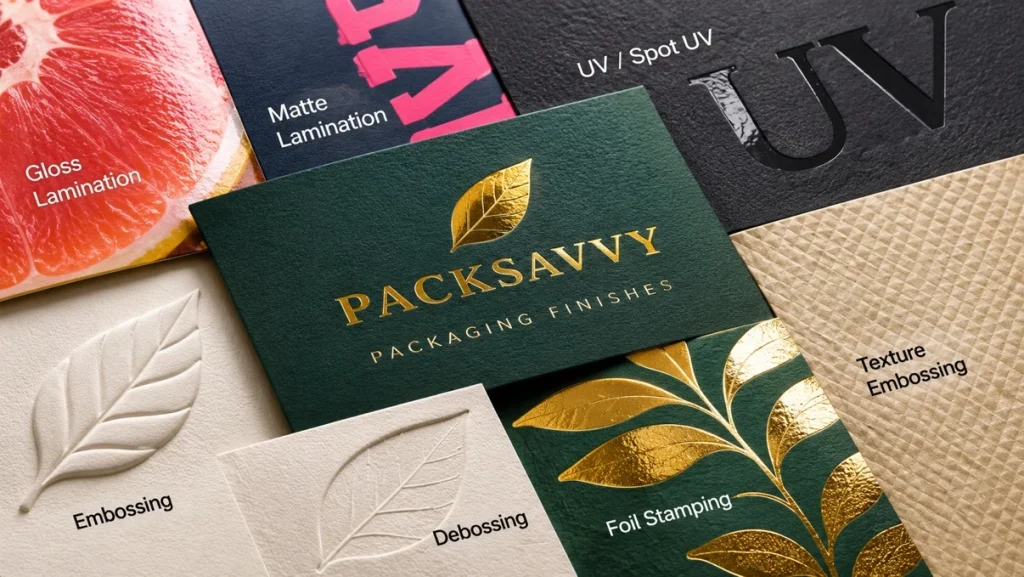
Conceptual illustration of paper packaging finishes including lamination, foil stamping, spot UV, embossing and debossing.

Common Paper Packaging Finishes: A Practical Guide for Buyers

Surface finishing plays an important role in the appearance, feel, and performance of custom paper packaging. A carefully selected finish can make a paper bag look more refined, highlight a brand logo, add texture to a gift box, or improve resistance to everyday handling. However, different finishing techniques serve different purposes. Some provide surface protection,

Common Paper Packaging Finishes: A Practical Guide for Buyers Read More »

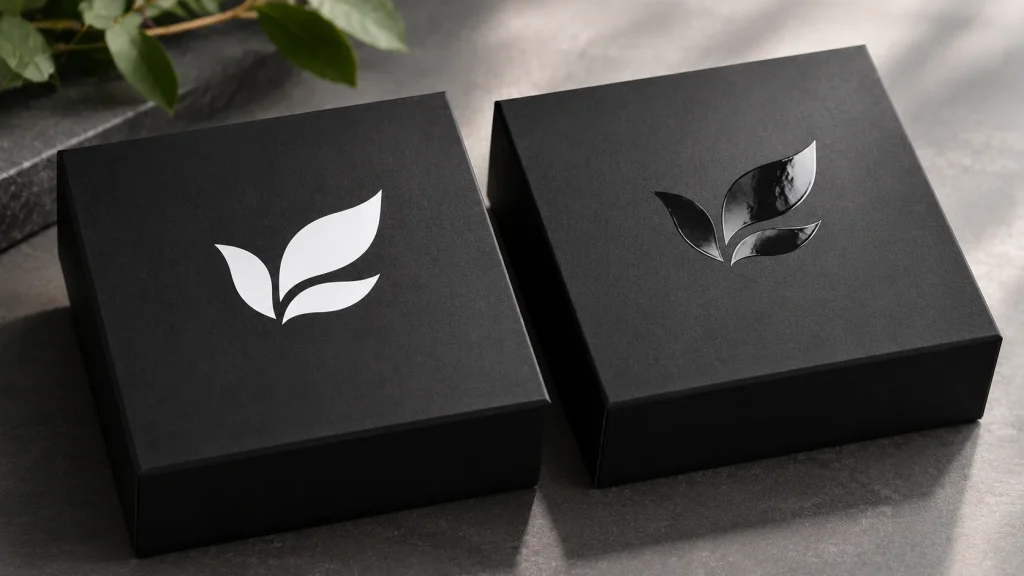
Matte black gift boxes featuring white printed and glossy spot UV logo finishes.

Screen Printing vs. Spot UV: What’s the Difference in Packaging?

Understanding screen-printed inks, screen-applied spot UV, and premium packaging finishes When sourcing custom paper shopping bags, rigid gift boxes, or folding cartons, buyers may find “screen printing” and “spot UV” listed as separate items on a supplier’s quotation or production order. Yet spot UV is often applied using screen-printing equipment. Why are they listed separately?

Screen Printing vs. Spot UV: What’s the Difference in Packaging? Read More »

Scroll to Top